EUDR Compliance for Plantations: 7 Features of a Good Traceability System
Exporters of cocoa, coffee, palm oil, rubber and soy to the European Union must now prove where every kilogram came from and that the land was not deforested. This guide explains what the EU Deforestation Regulation (EUDR) requires and the seven features a traceability system needs to meet it.
Key takeaways
- EUDR covers cocoa, coffee, oil palm, rubber, soy, cattle and wood, plus many derived products.
- Every product must be traceable to the plots where it was grown, with geolocation.
- Land must not have been deforested after 31 December 2020, and production must be legal.
- Traceability has to follow the product through purchasing, processing and lots to the export shipment.
What is EUDR and who does it affect?
The EU Deforestation Regulation (Regulation (EU) 2023/1115) bans placing products on the EU market unless they are deforestation-free, legal and covered by a due diligence statement.
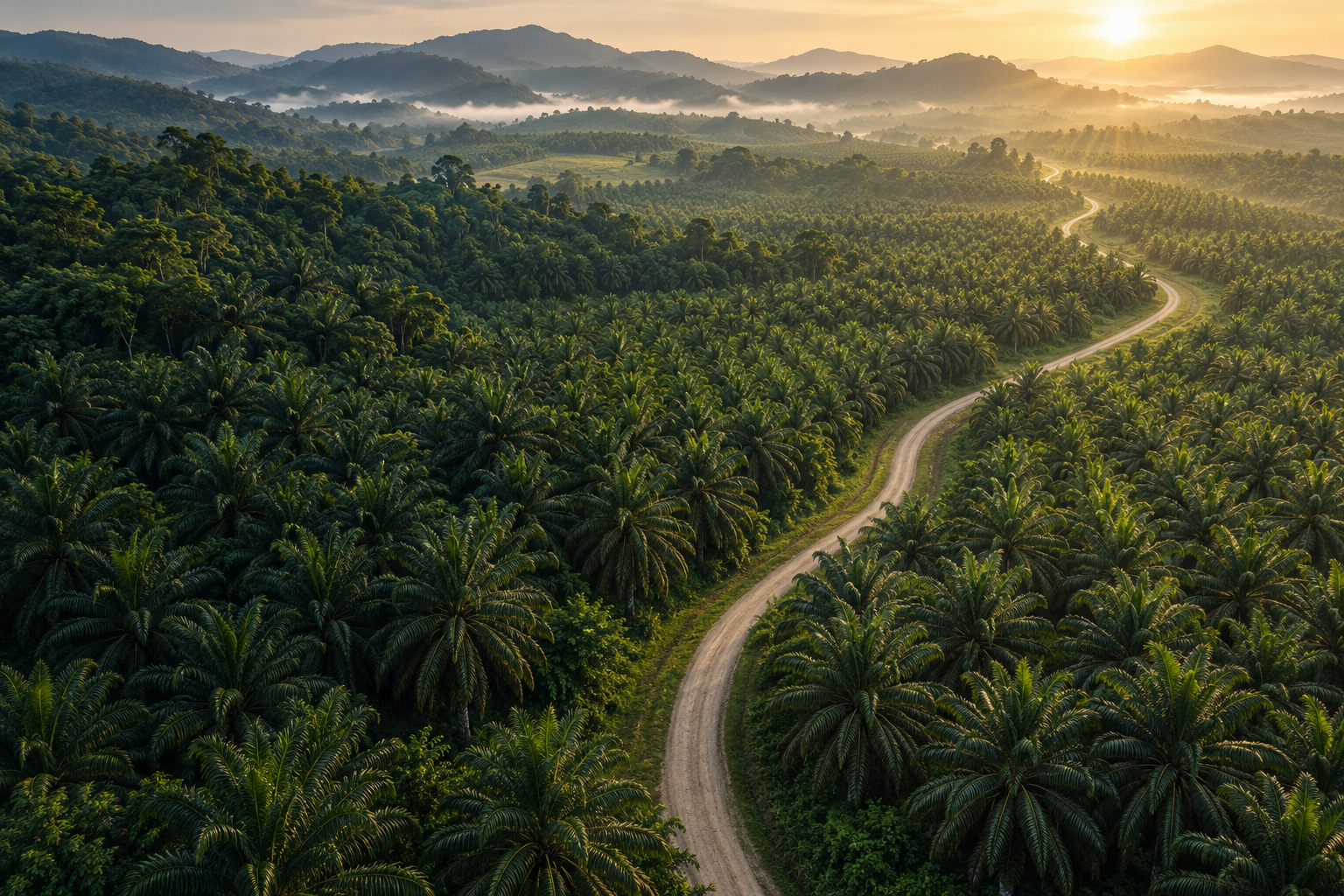
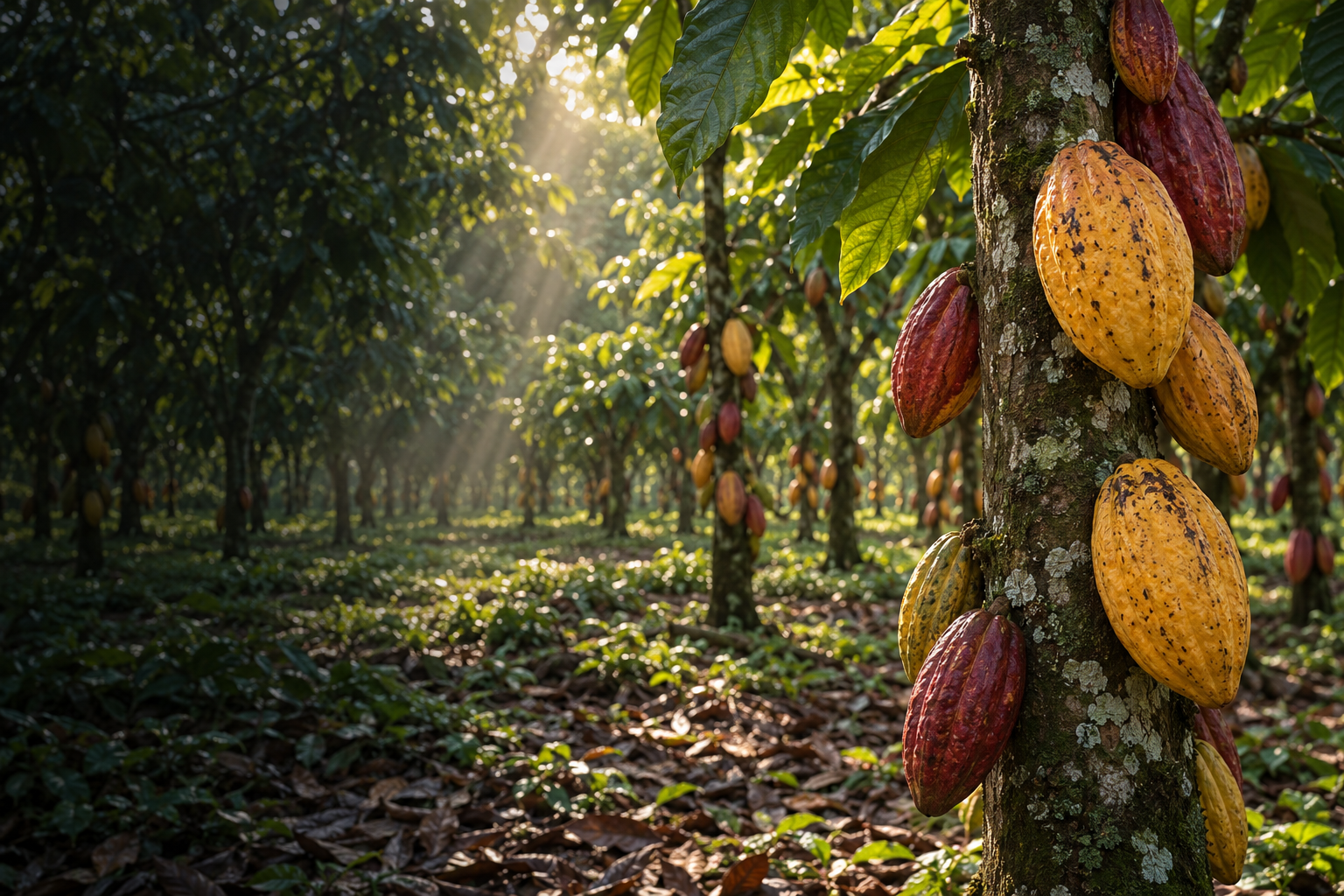
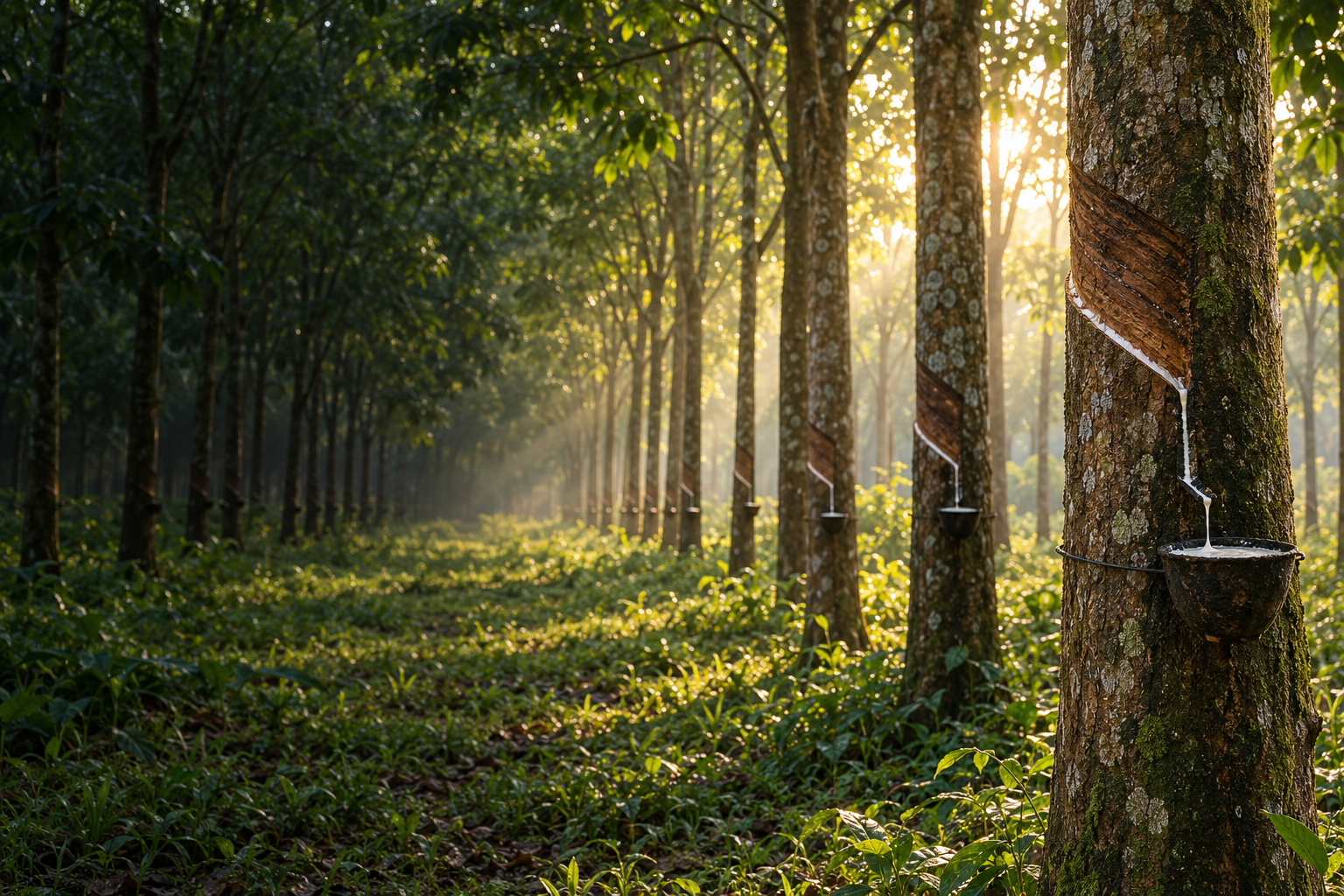
- Commodities covered: cocoa, coffee, oil palm, rubber, soy, cattle and wood, and products made from them such as chocolate, CPO or tyres.
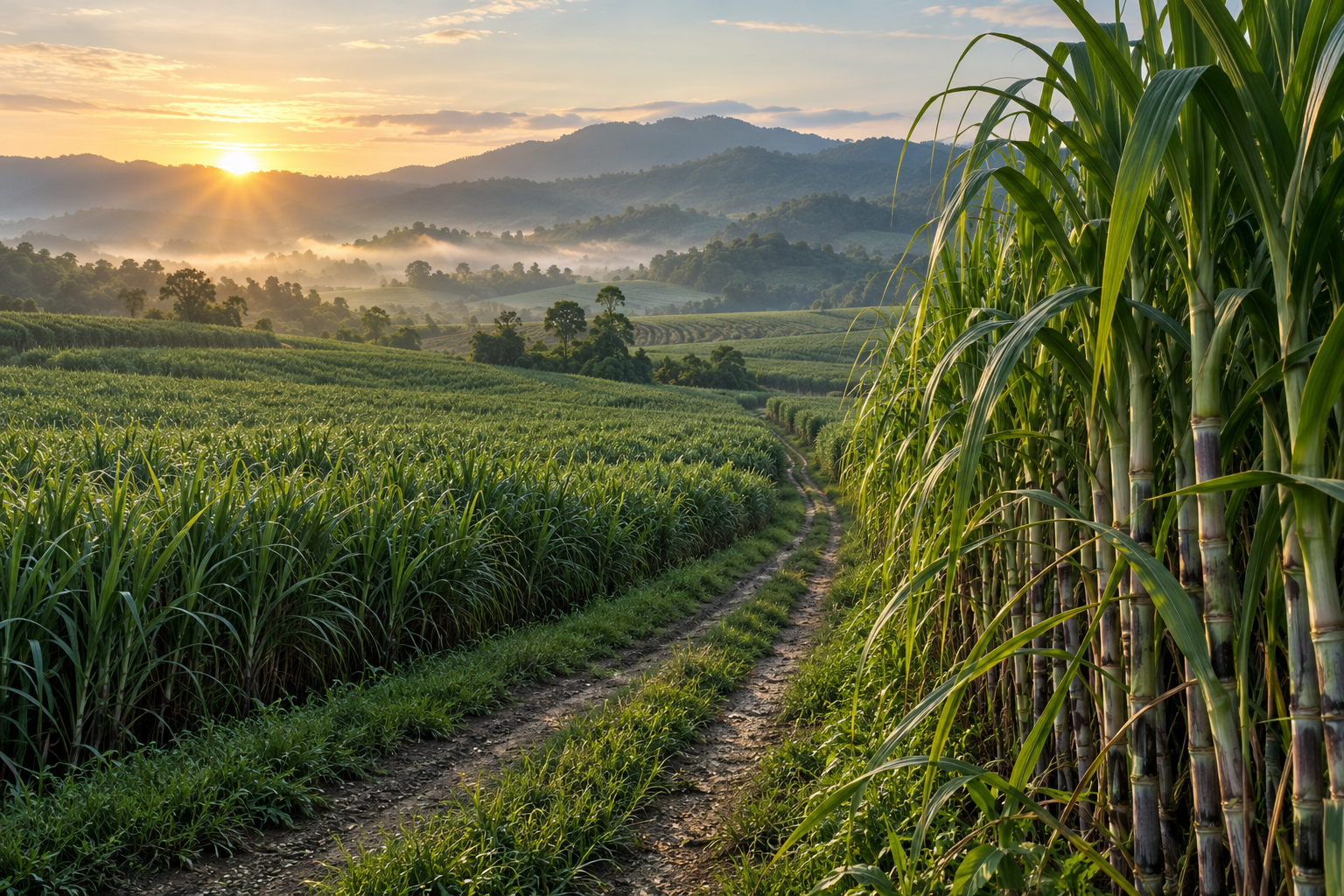
- Not covered: tea, coconut and sugarcane are not on the EUDR list.
- Cut-off date: products must not come from land deforested or degraded after 31 December 2020.
- Geolocation: every plot of land must be identified with coordinates; plots larger than 4 hectares need a polygon.
- Who is affected: EU importers must file due diligence, so they ask Indonesian suppliers, exporters and estates for complete traceability data.
7 features of a good EUDR traceability system
A spreadsheet of farmer names is not enough. EUDR needs data that is linked from the plot to the shipment.
- Farmer and plot registry: every farmer, collector and cooperative with their plots, area, planting year and certificates.
- Geolocation per plot: GPS points or polygons for each plot, captured in the field and checked before use.
- EUDR status per plot: a clear status for each plot so non-compliant sources are kept out of EU lots.
- Purchases linked to plots: every purchase note or weigh ticket records the farm of origin.
- Lot tracking through processing: lots keep their origin through fermentation, drying, milling or sorting, including mixing and splitting.
- Mass balance and certification: certified and EUDR volumes are tracked per programme, so you never sell more than you bought.
- Reports for buyers: origin, geolocation and volume per shipment, ready for the importer’s due diligence.
Benefits of being EUDR-ready
Good traceability protects access to the EU market and improves the business.
- Keep EU buyers: importers prefer suppliers who can deliver complete data quickly.
- Better prices: compliant, certified volumes can earn premiums.
- Less manual work: data is captured once at purchase instead of compiled later from paper.
- Lower risk: non-compliant plots are spotted before they enter an export lot.
- Clear supplier picture: you know exactly which farmers and plots supply each product.
How to prepare for EUDR
Start now, because collecting plot data from smallholders takes time.
- Map your supply base: list every farmer, collector and cooperative that supplies you.
- Collect geolocation: register plots with GPS or polygons from a mobile app in the field.
- Check each plot: assess deforestation and legality, and set an EUDR status per plot.
- Link purchases to plots: record the farm of origin on every purchase.
- Track lots to export: keep the origin through processing and produce reports per shipment.
EUDR in Symphony: all these features, and more
Symphony already supports EUDR traceability for EUDR commodities, with Symphony Cocoa as the most complete example.
- Farmer and plot registry: farmers, village collectors and farmer groups or cooperatives with plots, area, planting year, certificates, GPS and EUDR status.
- Registration from the phone: farmers and plots are registered in the field with location and photos, then reviewed before they become master data.
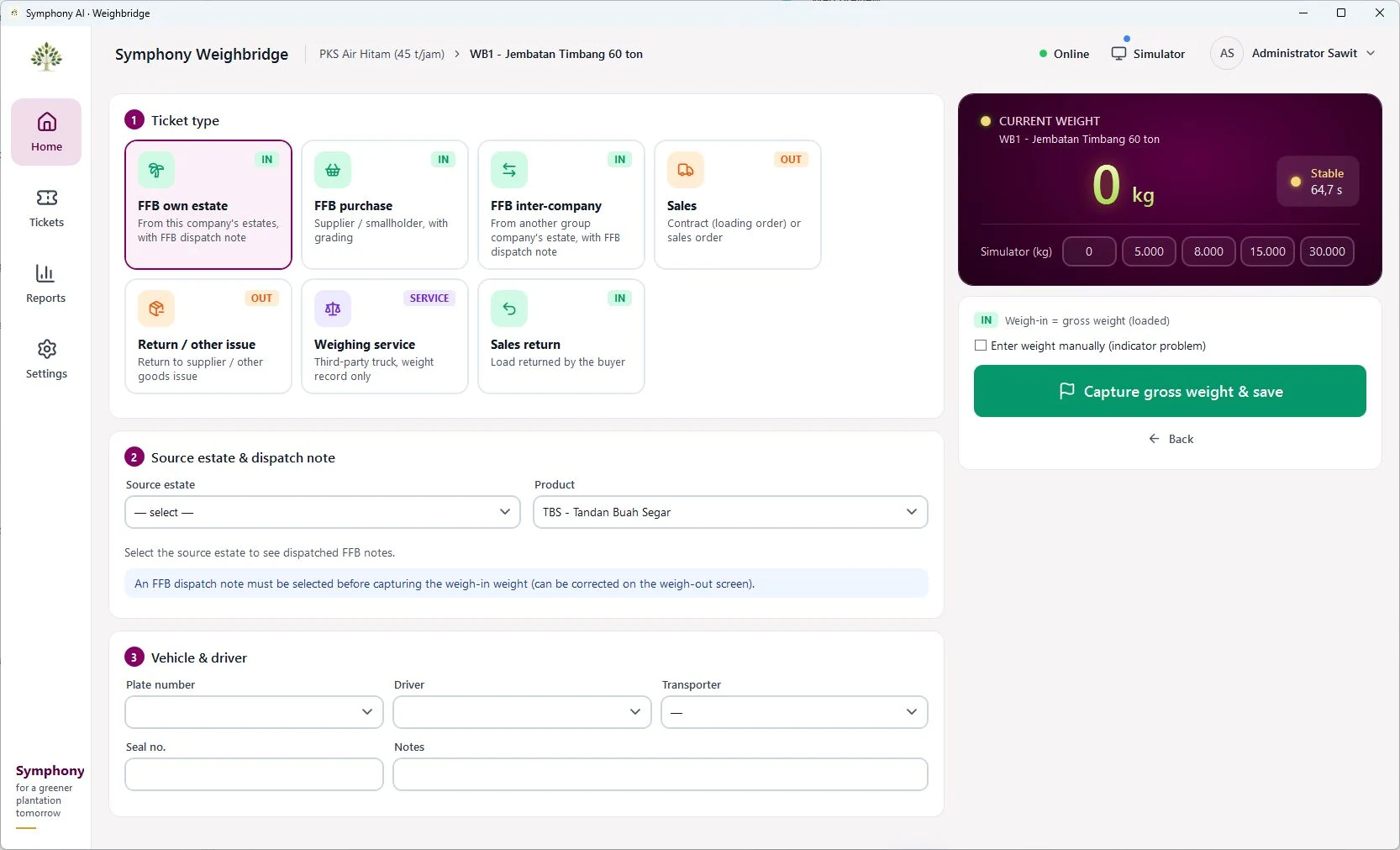
- Buying in the field: purchases recorded on the mobile app with weighing, quality sample, deductions, price, farm of origin and payment.
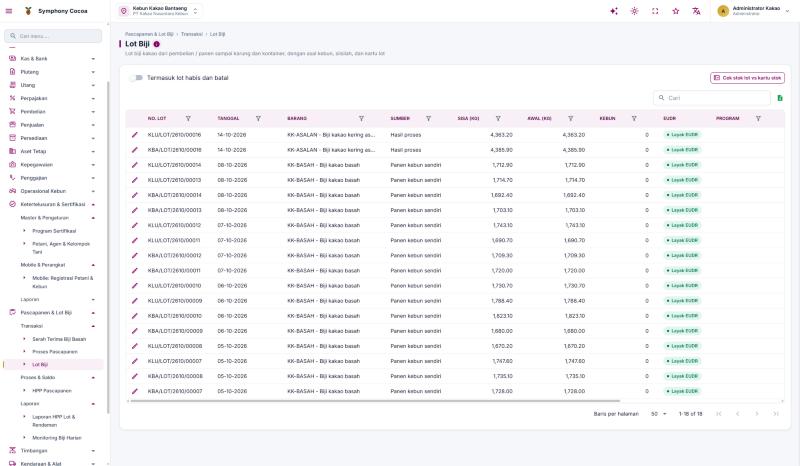
- Traceable lots: every lot is tracked from purchase or harvest to sacks and containers, with farm of origin, EUDR status and programme.
- Mass Balance & EUDR report: certified volume credits per programme and origin farms by EUDR status, geolocation and annual volume.
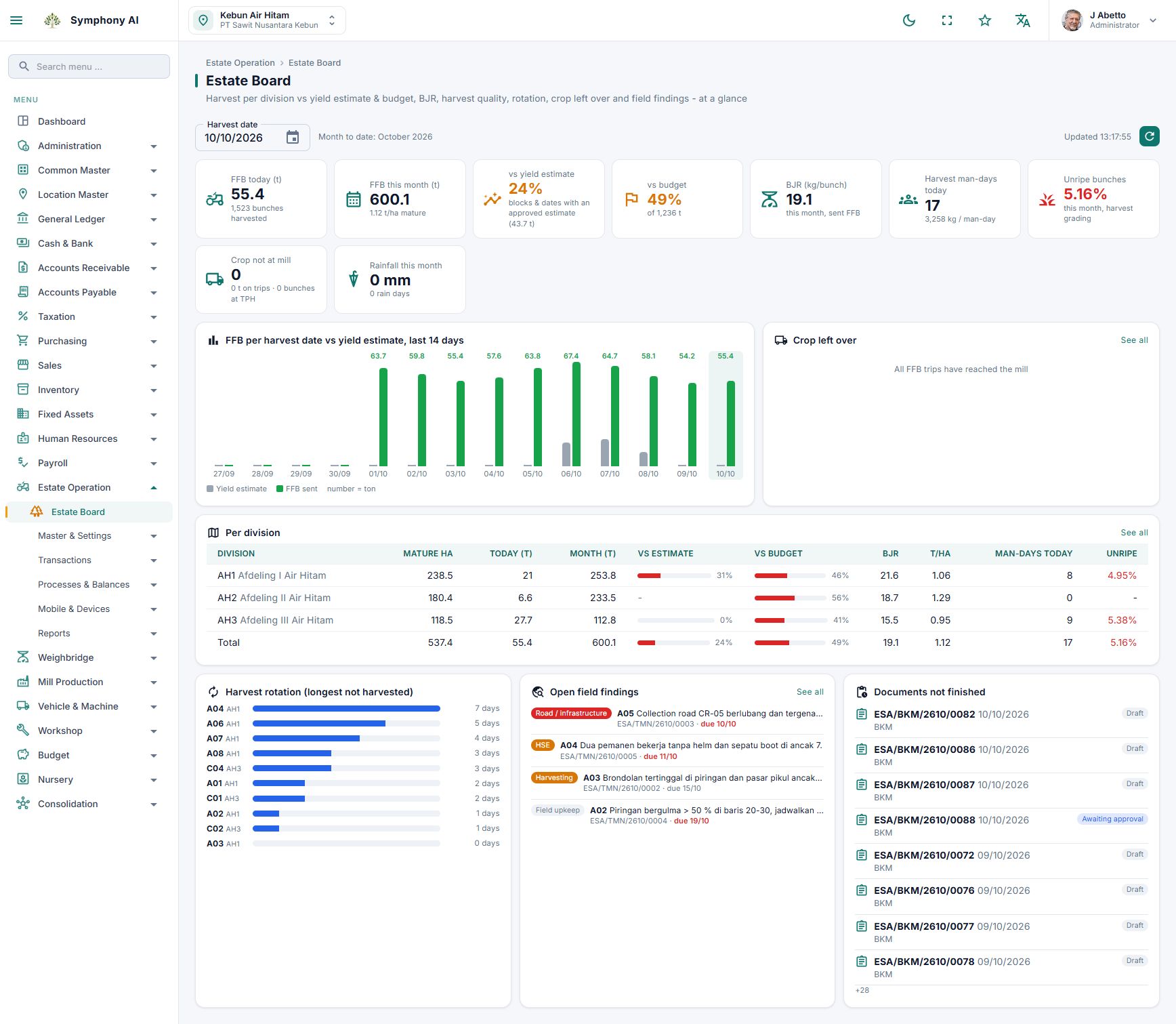
- Beyond the basics: Rainforest Alliance, Fairtrade and organic programmes with premiums, export sales and shipments in euro or US dollar, GIS maps and a full audit trail.
Take this to your EUDR review
- List which of your products are covered by EUDR.
- Count how many supplier plots still lack geolocation.
- Check whether purchases record the farm of origin.
- Test whether you can trace one export lot back to its plots.
Common questions
Does EUDR apply to tea, coconut or sugarcane?
No. EUDR covers cocoa, coffee, oil palm, rubber, soy, cattle and wood. Tea, coconut and sugarcane are not on the list.
Do smallholder plots need polygons?
Plots up to 4 hectares can be identified with a single GPS point; larger plots need a polygon.
Does Symphony support EUDR?
Yes. Symphony records farmers and plots with geolocation and EUDR status, links purchases to plots, tracks lots to the container and provides a Mass Balance & EUDR report.
See how Symphony Cocoa traces beans from farmer plots to export lots.
View cocoa solution →